Narrow stair moves in E14: expert tips for Millwall flats
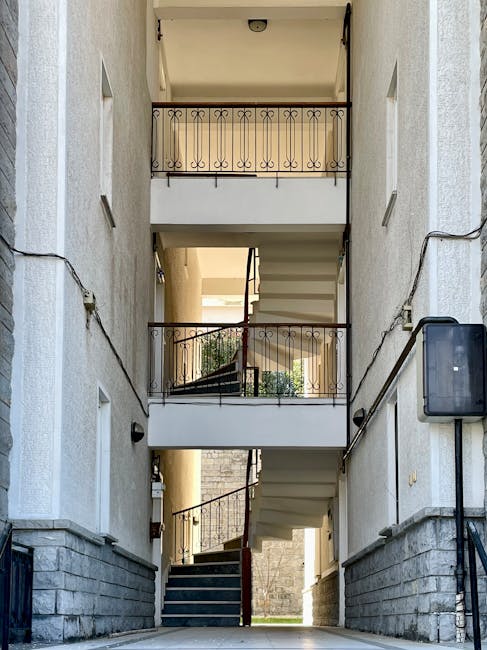
If you live in a Millwall flat and the staircase looks more like a carefully measured challenge than a proper route for furniture, you are not imagining it. Narrow stair moves in E14 need a different kind of planning: slower, smarter, and a lot less optimistic than a standard move across a wide suburban hallway. The good news? With the right approach, most awkward stair moves can be handled safely, without the usual drama of scratched walls, jammed wardrobes, or that tense moment when everyone stops talking at once.
This guide breaks down how tight stair moves work in Millwall flats, what makes them tricky, and the practical steps that help things go smoothly. You will also find a checklist, a comparison table, and a few real-world tips that are useful whether you are moving one heavy sofa or an entire flat. If you are comparing options, it can also help to look at a local man with van service, or review the wider removal services available for bigger and more complicated jobs.
Why Narrow stair moves in E14: expert tips for Millwall flats Matters
Millwall flats often come with the kind of access that makes even straightforward items feel awkward. Narrow turns, shared stairwells, low ceilings, and limited landing space can turn a simple move into a careful puzzle. And in a busy part of East London, you usually do not have the luxury of blocking a hallway for long while you debate whether the wardrobe will "just about fit".
This matters because stair access affects more than convenience. It influences:
- the size of vehicle needed
- how many people should help
- whether furniture must be dismantled
- how long the move will take
- the risk of damage to walls, banisters, and belongings
There is also the neighbour factor. In shared blocks, you want to keep noise down, avoid blocking exits, and move efficiently. A well-run stair move respects the building as much as the furniture. That sounds obvious, but in practice it is where many moves go sideways.
Expert summary: narrow stair moves are rarely about strength alone. They are about preparation, angles, protection, and timing. Get those four things right and the job becomes much calmer, even if the staircase still looks impossible at first glance.
If you are moving out of a flat with tricky access, it is sensible to choose help that understands local removals and can match the plan to the building. For general flat and home moving support, see home moves and house removals.
How Narrow stair moves in E14: expert tips for Millwall flats Works
A narrow stair move is not just a matter of carrying things slowly. It usually follows a sequence: assess, measure, protect, dismantle if needed, move in stages, and confirm clearances at each turn. That may sound fussy, but it is the only reliable way to avoid the classic "it was fine downstairs" problem.
In a typical Millwall flat move, the process starts before anything is lifted. The mover checks stair width, turning points, handrail placement, and any obstacles such as shoe racks, bikes, prams, or tight hallway corners. Items are then matched to the route. A slim mattress? Fine. A three-seat sofa with fixed arms? That is a different conversation.
Here is the basic logic:
- Measure the item and the route. The item has to pass the narrowest point, not the widest.
- Protect the building. Blankets, corner guards, and floor coverings help prevent scuffs.
- Prepare the item. Remove legs, mirrors, shelves, or any loose parts.
- Move with control. One person leads, one supports, and communication stays clear.
- Reassemble and place carefully. The move is not finished until the item is upright, level, and safe.
The best removals teams work methodically, because that is what narrow stairs demand. If you need a larger team or a more structured service, pages such as movers and man and van removals can be useful starting points.
Key Benefits and Practical Advantages
Done properly, a narrow stair move is not just safer. It is more efficient, less stressful, and usually cheaper than dealing with avoidable damage later. Truth be told, the hidden costs in a rushed move are often the real headache: chipped paint, broken fittings, or a bed frame that now needs replacement because nobody checked the stair angle first.
Some of the main benefits include:
- Less damage risk: careful handling reduces marks on walls, doors, and furniture.
- Better time control: a planned route usually saves time on the day.
- Less physical strain: the load is managed with technique rather than brute force.
- Reduced stress: everyone knows what is happening and when.
- Cleaner handover: the flat is left in better condition, which matters in rented properties.
There is also a practical benefit people often miss: clear planning gives you choices. Maybe that sofa can be moved upstairs after removing the feet. Maybe the wardrobe has to go out in two sections. Maybe it is quicker to move the mattress vertically than horizontally. Small decisions like that make a big difference, especially on tight Millwall staircases where every inch counts.
If you are weighing up whether to hire a removal company or keep things smaller and simpler, think about the level of access first. A compact job can suit a smaller crew, but a tougher building may justify a more experienced team and a fuller plan.
Who This Is For and When It Makes Sense
This kind of move is especially useful for anyone dealing with stairs that are just awkward enough to cause problems. Not impossible. Just annoying. You know the type.
It makes sense if you are:
- moving into or out of a Millwall flat with tight internal stairs
- relocating from a top-floor apartment with limited lift access
- carrying large furniture such as wardrobes, beds, sofas, desks, or appliances
- working to a fixed moving slot and need the job done efficiently
- trying to avoid damage in a rented building or shared stairwell
- moving on your own or with only a small amount of help
It also makes sense if you simply want fewer surprises. A lot of move-day stress comes from finding out too late that the item does not fit the stair turn, or the landing is too small for the team to pivot safely. That is the kind of issue that makes a simple move stretch into a much longer afternoon.
For smaller household jobs, a man and van can be a practical fit. For larger or more complex home relocations, it may be worth looking at house movers as well.
Step-by-Step Guidance
Here is the approach we would recommend for narrow stair moves in E14. It is simple enough to follow, but detailed enough to save you from avoidable problems.
1. Survey the staircase properly
Start with the route, not the furniture. Measure stair width, landing depth, ceiling height, and any awkward corners. Check whether handrails, light fittings, radiator pipes, or storage items reduce the usable space. One missed obstacle can change the whole plan.
2. Measure every large item
Do not guess. Measure the widest point of each item, including legs, handles, and protruding edges. A wardrobe that "looks fine" from one angle may still fail at the tightest turn. It happens all the time, honestly.
3. Decide what must be dismantled
Some furniture should come apart before it reaches the stairs. Beds, table legs, mirrors, and modular wardrobes often move better in sections. Keep screws and fittings bagged and labelled so reassembly is not a half-hour hunt with a screwdriver and a sigh.
4. Protect the building before lifting
Use blankets, padding, and floor protection. Shared stairwells in flats can show marks very quickly, and a careful move should leave the space looking the same as it did before. You want the move to be memorable for the right reasons, not for the scraped wall by the second landing.
5. Assign clear roles
One person should lead the lift, one should stabilise the rear, and someone should keep an eye on corners and doors. Quiet, simple instructions work better than lots of noise. "Pause", "up", "down", and "stop" are still undefeated.
6. Move slowly through the narrowest points
The hardest section is usually the turn, not the straight run. Take your time there. If needed, tilt the item, rotate it vertically, or pause to reset your grip. It is far better to stop and re-angle than to force an item through and create a problem.
7. Recheck once the item is in place
Once inside the flat, check that the furniture is level, stable, and not rubbing against walls or skirting boards. If it needs reassembly, do that carefully now rather than after everyone is tired and wanting a cup of tea.
Expert Tips for Better Results
A few small habits make narrow stair moves much easier. These are the details that experienced movers tend to notice early.
- Take the biggest item first. If the hardest piece fits, the rest of the move feels far simpler.
- Use furniture blankets even for short internal carries. Tight spaces cause accidental knocks more often than long hallways do.
- Remove loose shelves and drawers. Weight shifts in awkward moments and makes the carry harder.
- Keep hands dry and gloves grippy. A secure hold matters more than people realise.
- Check if the item can stand on end safely. Some pieces fit better vertically than horizontally.
- Clear the route completely. One forgotten umbrella stand can become the surprise villain of the day.
There is also a judgement call to make on timing. Early morning moves often work best in flats because corridors are quieter and neighbours are less likely to be moving about. On the other hand, if your building gets busy at certain hours, a slightly later slot may actually be calmer. It depends on the block. Not every building behaves the same, which is mildly inconvenient, but there we are.
If your move involves fragile items, you may want help with packing and unpacking services as well. Good packing is one of the simplest ways to reduce stair-related damage.
Common Mistakes to Avoid
Most problems in stair moves come from rushing the prep. The move itself is just the point where those mistakes become visible.
- Assuming measurements by eye are accurate. They usually are not.
- Forgetting to measure the turn, not just the stairs. That is where items often get stuck.
- Leaving doors, mirrors, or glass panels attached. These add risk and make handling awkward.
- Not protecting surfaces. A quick scratch can become a costly repair.
- Using too few people. Narrow stairs can demand steadier control, not just more effort.
- Trying to force an item through a bad angle. That is where damage happens.
One more thing: people sometimes focus so much on the large furniture that they forget the route to the actual van. In Millwall, that short walk from flat to vehicle can matter just as much as the stairwell itself. A good plan covers the whole journey, door to vehicle, not just the staircase.
Tools, Resources and Recommendations
You do not need a warehouse full of gear for a narrow stair move, but a few practical tools make the work much easier.
| Tool or resource | Why it helps | Best used for |
|---|---|---|
| Furniture blankets | Protects surfaces and softens bumps | Wardrobes, tables, bed frames, cabinets |
| Ratchet straps | Keeps items stable during transport | Bulkier furniture and stacked loads |
| Gloves with grip | Improves control on narrow turns | Heavy or awkward items |
| Floor runners or covers | Reduces scuffs in shared stairwells | Flats, communal entrances, hallways |
| Basic toolkit | Helps with dismantling and reassembly | Beds, tables, modular storage |
| Labels and small bags for fixings | Keeps parts organised | Any dismantled furniture |
In practical terms, a simple toolkit and decent packing materials do most of the heavy lifting. If you are booking help, ask whether the team brings protection materials and whether they are used to handling flats with limited access. That is a fair question, by the way. It saves awkwardness later.
For structured local moving support, you may also want to review removals and removals near me if you are comparing broader options around E14.
Law, Compliance, Standards and Best Practice
With flat moves, especially in shared buildings, best practice matters just as much as speed. You do not need to overcomplicate it, but a few UK norms are worth keeping in mind.
First, movers should act with care around communal areas, exits, and fire routes. It is common sense, but also a good standard to follow in any block where residents share entrances, stairs, or landings. If a building has house rules about booking lifts, using service entrances, or avoiding certain hours, those should be respected.
Second, proper handling and manual movement technique matter. Good movers will think about load weight, balance, visibility around corners, and team coordination. That is not just a nicety; it helps reduce injury and damage risk. In real life, the safest move is usually the one that looks a bit slower than people expected.
Third, insurance and clear terms are worth checking before the day. If you are hiring help, it is sensible to understand what level of cover and responsibility applies to the job. A reputable operator should be able to explain that in plain English. If you want to read more about how a provider frames this, see the site's insurance and safety information and health and safety policy. That sort of reading is not glamorous, obviously, but it is useful.
Finally, if you are moving from a rental, take care to leave the common areas tidy and report any issues promptly. The quiet, boring parts of a move often protect you more than the dramatic parts.
Options, Methods, or Comparison Table
Not every narrow stair move needs the same level of help. The right method depends on the furniture, the route, and how much time you want to spend wrestling with angles.
| Approach | Best for | Strengths | Limitations |
|---|---|---|---|
| DIY with a few helpers | Small flats, light furniture, simple routes | Low cost, flexible timing | Higher risk on tight turns, more physical strain |
| Man and van | Single rooms, smaller flat moves, mixed loads | Good balance of support and affordability | May be less suitable for very bulky items or complex access |
| Full removal service | Large furniture, full flat moves, awkward access | More planning, more handling support, better protection | Usually more involved than a simple item move |
For a one-bedroom flat with a couple of major items, a smaller service can be enough. For a bigger move, or a building where the stairs are genuinely unforgiving, more support is usually worth it. The cheapest option is not always the cheapest once you count stress, time, and damage risk. That is the bit people sometimes learn the hard way.
Case Study or Real-World Example
Here is a realistic example from the kind of move that comes up often in Millwall. A tenant in an E14 flat needed to move out a wardrobe, a bed base, a mattress, and several boxes. The wardrobe looked manageable in the room, but the staircase had a tight turn halfway up, and the landing was just wide enough for one person to stand aside. Not ideal.
Instead of forcing the wardrobe through in one piece, the movers removed the doors, shelves, and top section first. The base was then angled vertically and carried by two people, with one person spotting the wall corner on the turn. The mattress went separately, which sounds boring, but mattresses are brilliant at making access feel worse than it is if you try to carry them too early.
The move took a little longer at the start because everything had to be prepared carefully. But it avoided wall damage, kept the corridor clear, and made reassembly at the new flat much easier. The client's main comment afterwards was that the job felt calm. That, in a move like this, is a very good outcome.
Sometimes the win is not speed. Sometimes it is simply a clean, controlled day where nothing gets wedged, nicked, or dragged. And really, that is enough.
Practical Checklist
Use this checklist before your move day. It is simple, but it catches most of the things people forget in a hurry.
- Measure the furniture at its widest and tallest points
- Measure stair width, landings, and sharp turns
- Check for handrails, lights, and other obstacles
- Clear the route from room to front door
- Protect floors, walls, and corners
- Dismantle large items where sensible
- Label screws, fittings, and loose parts
- Confirm who is helping and what each person will do
- Keep water, gloves, tape, and basic tools close by
- Allow a bit more time than you think you need
- Check building access rules if you share the property
- Review insurance, terms, and payment details in advance
If you want to compare service levels before booking, take a look at pricing and quotes and the service options listed under removal services. It is a sensible way to avoid guesswork.
Conclusion
Narrow stair moves in E14 are all about preparation, patience, and practical thinking. Millwall flats can be tricky, but they are not unmanageable when the route is measured properly, the furniture is prepared, and the team knows exactly how to handle tight turns. That little bit of planning changes everything.
If you take one thing from this guide, let it be this: treat the staircase as part of the job, not a minor detail. Once you do that, the whole move becomes more controlled, more efficient, and far less stressful. That is true whether you are moving one heavy item or settling into a whole new flat.
Get a free quote today and see how much you can save.
And if you are ready to sort the move properly, a quick conversation now can save a very long headache later. No one needs more of those.
Frequently Asked Questions
What counts as a narrow stair move in E14?
It is any move where the staircase, landing, or turns make carrying furniture difficult or risky. In Millwall flats, this often means tight shared stairs, limited turning space, or awkward top-floor access.
Can a sofa be moved up a narrow staircase?
Sometimes yes, but it depends on the sofa's dimensions and whether the legs or arms can be removed. If the turn is too tight, the sofa may need a different route or a more careful dismantling approach.
How do I know if my furniture will fit?
Measure the widest point of the furniture and the narrowest point of the route. Pay attention to landings and corners, not just the straight run of stairs. The turn is often the real test.
Should I dismantle furniture before the move?
Usually, yes, if the item is bulky or awkward. Removing legs, shelves, or doors can make a huge difference. It also lowers the risk of damage, which is always welcome.
Is a man and van enough for a flat with narrow stairs?
For smaller moves, it often is. For larger items, multiple floors, or very tight access, you may need a more structured service. It really comes down to the size of the load and the staircase.
How can I protect the walls and bannisters during the move?
Use furniture blankets, corner protection, and floor coverings. Careful lifting and slow turns matter too. Protection works best when it is combined with patient handling.
Do narrow stair moves take longer?
Usually they do, because each item has to be handled more carefully. The time saved by rushing is often lost later if something gets stuck or damaged, so a slower plan is normally smarter.
What should I move first in a tight stairwell?
The biggest and hardest item should usually go first. If that fits safely, the rest of the job tends to feel much simpler. It also helps the team judge the access early.
Are there safety concerns with moving heavy items on stairs?
Yes. Heavy items can shift quickly on corners or landings, and awkward lifting can cause strain. Good manual handling, clear communication, and enough helpers reduce the risk.
What if my item gets stuck on the stairs?
Stop and reset. Forcing it usually makes things worse. Re-angle the item, check the route again, and if needed, dismantle further or use a different method. Calm beats panic every time.
Do I need to tell my building about the move?
If the property has rules about access, lift bookings, or shared spaces, it is sensible to check in advance. In a flat block, keeping neighbours informed can make the day smoother all round.
Where can I find more help for a Millwall flat move?
Start by reviewing the local moving options on the site, including man with van, house removals, and movers. If the move feels fiddly, a quick enquiry is usually the easiest next step.