Avoid fines: bulky waste disposal in Millwall (Tower Hamlets)
Posted on 04/07/2026
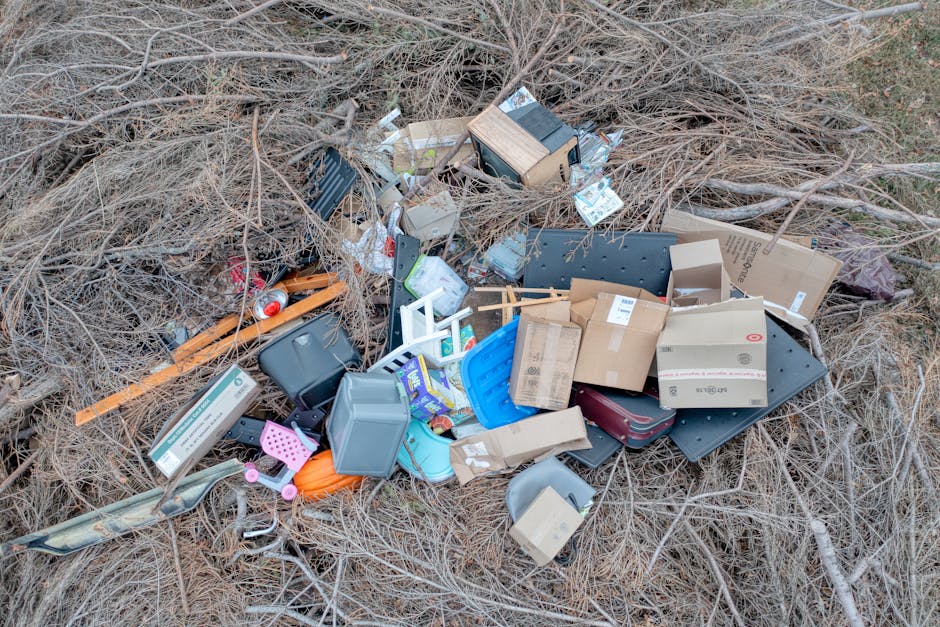
If you live or work in Millwall, bulky waste can become a problem fast. An old sofa by the front door, a broken wardrobe in a hallway, or a pile of flat-pack leftovers in the bin store may not look like much, but it can lead to complaints, block access, or even trigger enforcement action. The safest approach is simple: understand how bulky waste disposal in Millwall (Tower Hamlets) should work, plan ahead, and use the right route for the item. That way you protect your budget, stay on the right side of local rules, and avoid the kind of hassle nobody wants on a busy London street.
This guide walks you through what bulky waste means, how to handle it properly, common mistakes that cause fines, and the practical options available when you need items removed quickly or responsibly. It is written for real life in E14, where stairs are narrow, parking is tight, and you often need a plan that actually fits the building, the schedule, and your back.
Why avoiding fines matters
Bulky waste is not just a storage problem. In London, left-out items can quickly become a compliance issue, especially when they are placed in a shared corridor, beside the wrong bin, on the pavement too early, or dumped in a way that blocks access. In a dense neighbourhood like Millwall, one oversized item can affect everyone in the building. Neighbours notice. Building managers notice. So do enforcement teams.
To be fair, most people do not intentionally do the wrong thing. They are usually dealing with a move, a clear-out, a renovation, or a last-minute delivery that has outgrown the flat. But intent does not always matter when waste is left improperly. A bulky item that is abandoned or placed without permission may be treated as fly-tipping or as an obstruction. That is where penalties and avoidable stress can start.
There is also the hidden cost. If you leave disposal until the last minute, you often end up paying more for rushed collection, storage, repeat handling, or a same-day rescue. In our experience, the cheaper choice is usually the one made early, not the one made in a panic at 8:30 on a wet weekday morning.
Expert summary: The safest bulky waste plan is the one that keeps items off communal areas, matches local collection rules, and avoids last-minute dumping. It is not glamorous, but it works.
This matters even more if your bulky item is tied to a move. A sofa, bed frame, freezer, or office desk can become a bottleneck that slows the entire process. If that sounds familiar, you may find it useful to read about decluttering before a move and the moving-out and cleaning checklist, because waste decisions are often part of the move itself, not a separate task.
How bulky waste disposal works in Millwall
In practical terms, bulky waste disposal means getting rid of large items that are too awkward, too heavy, or too cumbersome for standard household bins. Think sofas, wardrobes, mattresses, desks, washing machines, bed bases, cabinets, exercise equipment, or multiple boxes of broken household goods. The exact handling depends on the item, the building, and how quickly it needs to go.
There are usually four broad routes. First, you can keep the item for a proper scheduled collection arranged through an appropriate local route. Second, you can use a private clearance or removal service. Third, you can take the item yourself to a suitable drop-off point if you have the vehicle and loading access. Fourth, you can repurpose, donate, sell, or store the item if it is still usable. The best option depends on condition, urgency, access, and whether the item needs to be dismantled.
Millwall has its own practical challenges. Apartment blocks often have limited lift space, narrow stairwells, loading restrictions, and tight waiting zones. A bulky waste job that looks simple in a house can become awkward in a flat by the docks or near the busy roads around Canary Wharf. If access is tight, a service that understands local logistics is worth a lot. The wrong vehicle, the wrong time slot, or one missing parking arrangement can turn a quick job into a long one. Nobody needs that.
If you are clearing out after a move, there is also a strong link between waste disposal and packing. Good packing reduces damaged items, and good planning reduces waste. The essential packing checklist for a seamless move is useful here because it helps you separate keep, donate, recycle, and discard before the pile grows.
What counts as bulky waste?
- Furniture such as sofas, tables, wardrobes, and chest of drawers
- Mattresses and bed frames
- Large appliances such as fridges, freezers, and washing machines
- Office items like desks, shelves, and chair sets
- Large cartons, damaged fittings, and renovation leftovers that are too large for normal waste
One practical point: size is not the only issue. Weight, shape, and safety matter too. A broken wardrobe with loose fixings can be more awkward than a much heavier but solid item. That is why planning the removal route matters before anyone starts carrying.
Key benefits and practical advantages
Doing bulky waste properly is not just about avoiding fines, although that alone is a decent reason. It also makes the rest of the move or clearance smoother. Once bulky items are out of the way, rooms feel bigger, routes become safer, and the whole job speeds up. You can hear the difference sometimes too: less thudding, less dragging, fewer awkward pauses in the hallway.
- Lower risk of penalties: You reduce the chance of waste being treated as unlawful dumping or obstruction.
- Safer common areas: Corridors, stairwells, and entrances stay clear for residents, visitors, and emergency access.
- Better time management: A planned clearance avoids the repeated handling that comes with poor preparation.
- Cleaner handover: This is particularly useful if you are moving out of a rental or selling a property.
- More recycling opportunity: Many items can be sorted for reuse or recycling rather than simply thrown away.
There is also a mental benefit. Let's face it, clutter wears people down. Once the large items are gone, the job suddenly feels manageable again. That shift matters when you are already juggling keys, boxes, access codes, and maybe a slightly impatient landlord.
For people dealing with a larger clear-out, the benefits extend into planning and storage too. If you are deciding what to keep, move, or park temporarily elsewhere, a page like stress-free house move solutions can help you think through the sequence, while storage options in Millwall may be worth considering if the item is not ready to leave your life just yet.
Who this is for and when it makes sense
Bulky waste disposal becomes relevant in more situations than people expect. Yes, it is common during house moves. But it also comes up after renovations, office rearrangements, student move-outs, end-of-tenancy clearances, probate clearances, and the lovely old situation of "this sofa looked fine online but now it will not fit through the door."
This matters if you are:
- Moving from a flat in Millwall or nearby E14 streets
- Clearing a storage room, basement, loft, or communal area
- Replacing old furniture with new deliveries
- Running a small office or home office and upgrading equipment
- Trying to avoid blocking shared hallways or bin stores
- Working to a strict deadline before check-out or handover
It also makes sense if the item is awkward enough that handling it yourself could be risky. A mattress, for example, may not be dangerous in itself, but it is awkward, bulky, and easy to snag on walls or stair rails. The same goes for certain furniture pieces that appear simple until you try to turn them halfway down a stairwell. If that sounds familiar, the article on moving beds and mattresses safely is a helpful companion read.
For student moves, the issue is often timing. You may be vacating quickly, with not much spare cash and even less spare space. In that case, a service like student removals in Millwall can help you combine moving and disposal without turning the week into a full-scale drama.
Step-by-step guidance
If you want to avoid fines and keep the process calm, work through the disposal in order. Rushing tends to create the mistakes people later regret. Here is the sequence we would recommend.
- Identify every bulky item. Walk through the property and note what needs to go. Be honest. Half-decisions are where problems begin.
- Separate reusable from unusable items. If a chair still has life left in it, do not treat it like rubbish without thinking. Reuse or resale may be better.
- Check access and lifting conditions. Measure doorways, stair turns, lift size, and any route from the room to the exit.
- Choose the disposal method. Decide whether the item should be collected, moved to storage, donated, recycled, or removed with other household goods.
- Prepare the item. Remove drawers, loose parts, glass panels, and anything sharp or likely to fall off.
- Arrange timing. Make sure the item is not left outside too early. That is a classic mistake.
- Confirm parking and loading access. In Millwall, access is often the make-or-break factor. A few metres can matter a lot.
- Move the item safely. Use proper lifting, enough people, and protective materials where needed.
- Dispose or hand over correctly. Ensure the item goes to the agreed place, not to a random corner or communal landing.
- Clean up after removal. Check for screws, splinters, broken glass, wrapping, or packaging debris.
If your clear-out is tied to a same-day move or a last-minute handover, timing becomes even more critical. A local emergency service such as same-day removals in Millwall can sometimes help when the clock is not on your side.
A simple decision rule
Ask yourself three questions: Is it reusable? Is it safe to move myself? Is the access straightforward? If any answer is "no" or "not really," slow down and choose a better route.
Expert tips for better results
A few small habits make a big difference. Most people only need to hear them once, but they are easy to forget in the rush.
- Plan around building rules. Shared blocks may have quiet hours, loading restrictions, or bin store rules that affect when you can move items.
- Use a sorting zone. Create one area for keep, one for donate, one for recycle, and one for disposal. The floor can get messy, yes, but it keeps decisions clear.
- Break items down where possible. Flat-pack furniture, bed frames, and shelving often become much easier once dismantled.
- Protect walls and floors. Blankets, wraps, and corner protection save time later. A scratched hallway is not a fun afterthought.
- Never assume bulky waste can sit anywhere. Left in a communal area, it can cause access issues or complaints very quickly.
- Keep paperwork and confirmations. If a collection is booked or a service is arranged, keep the confirmation until the item is gone.
One practical observation from moving day: once the first large item is out, everything feels lighter. You hear people say this all the time, but it really is true. The room breathes again. The space starts to behave like a space, not a holding pen.
If you are also moving fragile or high-value pieces, a helpful read is the risks of DIY piano moving. It sounds specific, but the underlying lesson is broad: some bulky items are best handled with real expertise, not optimism and a trolley.

Common mistakes to avoid
The mistakes here are usually mundane, which is why they happen so often. Nobody thinks, "I am about to create a waste problem." They think, "I'll leave this here for now." That is usually how it starts.
- Leaving items on the pavement too early and assuming collection will happen later without issue
- Dumping items near bins and hoping someone else will move them
- Forgetting about lift dimensions until the item is already halfway out of the room
- Ignoring disassembly and trying to force a full-size item through a tight route
- Using poor lifting technique and risking injury or damage
- Confusing waste with storage and keeping unnecessary items "just in case"
- Not planning transport for items that require a van or special handling
The other big mistake is trying to solve everything after the move starts. Once deadlines are tight, people become less careful and more creative. That is rarely a good combination. A better approach is to sort your waste while you are still packing. If you need a nudge there, the decluttering guide for movers is a solid place to begin.
And if you are wondering whether it is really worth the effort to plan parking or loading in advance, yes, it is. In busy parts of Millwall, a missed loading slot can unravel the whole day. A good local overview like parking permits for Millwall moves can save you from a last-minute scramble.
Tools, resources and recommendations
You do not need a warehouse full of kit to handle bulky waste well. A few practical tools, plus the right mindset, do most of the work.
| Tool or resource | Why it helps | Best use |
|---|---|---|
| Measuring tape | Confirms whether the item will fit through doors, lifts, and turns | Before lifting or dismantling |
| Protective blankets | Helps prevent scuffs to furniture and walls | For sofas, cabinets, and long items |
| Heavy-duty tape or straps | Keeps loose parts secured during movement | For beds, drawers, and boxed components |
| Gloves | Improves grip and reduces scrapes | For handling rough or damaged items |
| Trolley or sack truck | Reduces strain on longer carries | For appliances and heavy boxes |
| Storage option | Buys time if the item is not ready to go yet | During phased moves or renovations |
In some cases, the most useful resource is not a tool but a better process. If you are buying replacement items, line up the old and new carefully. The old item should not sit in the hallway for two weeks because the new one is delayed. That is how clutter returns. It has a habit of doing that.
For people coordinating furniture changes, furniture removals in Millwall is relevant when the item is still valuable enough to move properly rather than leave behind. If you are comparing moving support more broadly, removal services in Millwall and removals in Millwall are useful starting points for understanding what support is available.
Law, compliance, standards and best practice
When bulky waste disposal is discussed in plain English, the compliance message is simple: do not abandon waste, do not block public or shared access, and do not hand waste to anyone who is not acting responsibly. In the UK, duty-of-care principles apply to waste handling, meaning you should make reasonable efforts to ensure items are dealt with properly. You do not need to be a legal expert, but you do need to be careful.
In local terms, Tower Hamlets residents should be especially mindful of shared building rules, estate policies, and the distinction between communal space and private space. What looks like a harmless temporary placement may count as obstruction, nuisance, or unauthorised dumping if it interferes with access or is left in the wrong area. That is why "just leave it there for now" is such a risky sentence.
Best practice is straightforward:
- Keep waste within permitted areas until collection or removal takes place
- Do not create fire exits or access issues in corridors, stairways, or landings
- Use a reputable disposal route and keep evidence of what happened
- Separate recyclable, reusable, and truly disposable items where practical
- Check timing and permissions before placing items outside
If you use a removal or clearance company, it is sensible to choose one that takes safety and insurance seriously. Reading about health and safety policy and insurance and safety can be a useful reminder of the standards you should expect, even if you are only comparing options informally.
Options, methods and comparison
Different bulky waste situations need different solutions. Here is a practical comparison to help you choose without overthinking it.
| Method | Best for | Advantages | Limitations |
|---|---|---|---|
| Planned collection | Predictable clear-outs and standard household items | Structured, tidy, low stress | Less flexible if you are in a hurry |
| Private removal or clearance | Mixed items, awkward access, or tight deadlines | Flexible, practical, often easier in flats | Needs booking and cost planning |
| Self-transport | Those with access to a suitable vehicle and help | Direct control over timing | Heavy lifting, parking, and loading risks |
| Storage first | Items that may be reused or moved later | Prevents rushed disposal decisions | Adds short-term cost |
The right choice often depends on access rather than the item itself. A wardrobe is easy to decide on and difficult to move. A stack of boxes is simple to carry and easy to underestimate. Curious how that works in practice? That is usually where a local van and lifting plan earns its keep.
If your removal also involves office furniture or mixed contents, a related guide such as the Canary Wharf office move checklist can help you think through packing, loading, and disposal together rather than as separate jobs.
Case study or real-world example
A typical Millwall scenario goes like this. A couple in a flat near the docks are moving out on a Friday afternoon. They have a sofa that will not fit in the new place, a mattress that has seen better days, and a broken bookcase they were "meaning to deal with" for months. At first, everything is in one pile by the wall. It looks manageable. Then they realise the lift is small, the stairs turn sharply, and the building does not want bulky items left outside early.
So they split the job. The mattress is handled as part of the move. The bookcase is dismantled and separated for disposal. The sofa is measured, wrapped, and removed in a planned slot rather than left in the corridor as a problem for later. The flat is clear, the exit route stays open, and the move does not become a shouting match with the hallway. Simple enough, but it only works because they stopped and planned.
Another real-world example is the office clear-out. A small team in Millwall upgrades desks and chairs after a reconfiguration. The old items are not all rubbish, but they are not all worth keeping either. The team sorts what can be reused, what can be stored, and what must go. For this sort of mixed job, a local reference such as navigating Westferry Road access can be surprisingly useful because access is often the hidden problem, not the waste itself.
Practical checklist
Use this checklist before you move or dispose of any bulky item in Millwall.
- List every bulky item in the property
- Decide whether each item is keep, donate, recycle, store, or dispose
- Measure doors, halls, lifts, and stair turns
- Confirm whether the item needs dismantling
- Check for sharp edges, loose glass, or detachable parts
- Arrange the correct vehicle or collection method
- Plan timing so nothing is left out too early
- Make sure parking or loading access is realistic
- Protect walls, floors, and corners on the route out
- Keep communal areas clear throughout the process
- Take away all loose debris and wrapping after removal
- Save any proof of collection or handover
That list is not fancy, but it saves headaches. If one item on it feels awkward, that is usually the item you should deal with first.
For people who are still deciding whether to move or store something, it can help to read long-term sofa storage techniques and safe freezer storage tips. They are different topics, yes, but the decision process is similar: keep it, move it, store it, or let it go.
Conclusion
Avoiding fines for bulky waste disposal in Millwall (Tower Hamlets) really comes down to three things: plan early, use the right disposal route, and never leave large items where they should not be. Once you think in those terms, the process becomes a lot less stressful. You stop reacting and start deciding. That is a big shift.
In a busy part of London, with flats, shared access, loading pressure, and all the usual moving-day noise, the safest approach is the calm one. Measure first. Sort properly. Keep access clear. And if the item is too large, too heavy, or too awkward, get the right help rather than hoping for the best. Hope is fine for some things. Not for a sofa on a staircase.
Get a free quote today and see how much you can save.