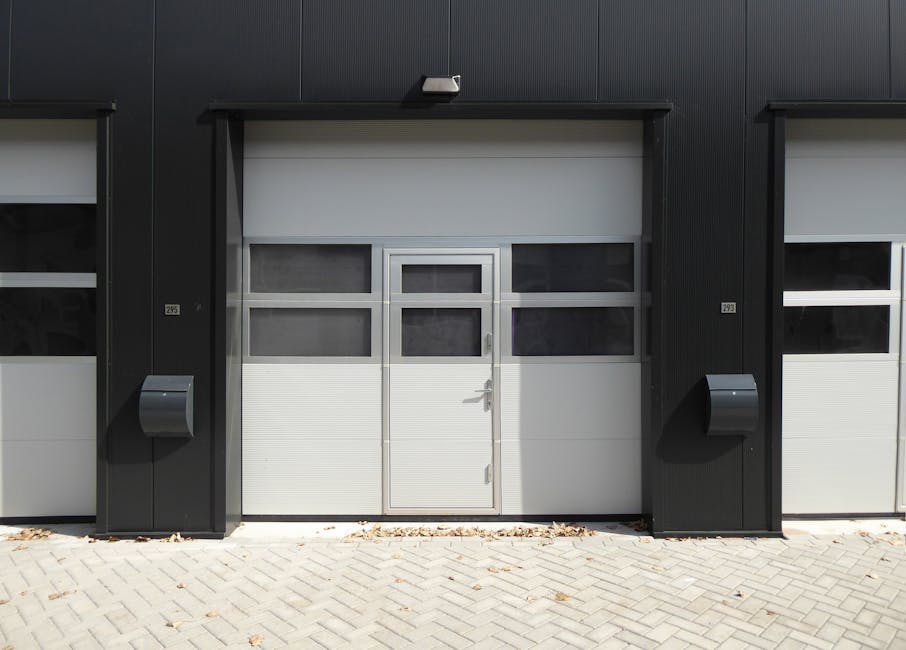
How to secure a loading bay near Millwall Dock
Posted on 02/06/2026
How to Secure a Loading Bay Near Millwall Dock: A Practical Local Guide
If you are planning a move, delivery, office fit-out, or bulky furniture drop-off near Millwall Dock, getting a loading bay sorted can make the whole day feel ten times easier. Without one, you are left circling for space, carrying heavy items further than expected, and trying to keep drivers, neighbours, and time slots happy all at once. Not fun. This guide on how to secure a loading bay near Millwall Dock breaks the process into clear, local, real-world steps so you can plan with less stress and fewer surprises.
There is a bit more to it than simply finding a free patch of road. You need to think about timing, access restrictions, vehicle size, building rules, traffic flow, and whether the space can safely support your move. Truth be told, the best results usually come from planning a few days ahead, not a few minutes before the van arrives. Below, you will find a practical walkthrough, plus local considerations, mistakes to avoid, and a checklist you can actually use.
Why securing a loading bay near Millwall Dock matters
Millwall Dock sits within a busy London environment where road space is limited, access can be tight, and curbside stopping is not always straightforward. If your move involves flats, offices, storage runs, or a furniture delivery, a loading bay helps you work from a known point instead of improvising on the day. That matters because loading and unloading time is often the part people underestimate.
Without a designated bay, even a small job can spiral. A van may need to double park, the team may have to carry items over a longer distance, and the driver could be forced to wait while someone else occupies the space. And if you are moving something awkward like a sofa, a mattress, or a piano, that extra distance can turn into more lifting, more fatigue, and more chance of damage. If you are also trying to keep the move tidy and efficient, a loading bay is one of those boring little details that saves the day.
It also matters for timing. Near busy dockside roads and residential blocks, access windows may be short. A loading bay gives your team a better chance of staying on schedule, which is especially useful if you have a handover, a building booking slot, or a same-day move. For broader move planning, many people also find it helpful to read about Millwall access and Westferry Road moving considerations, because local route planning and loading space often go hand in hand.
Expert summary: a loading bay is not just a parking convenience. Near Millwall Dock, it can be the difference between a smooth, controlled move and a messy, expensive delay.
How securing a loading bay near Millwall Dock works
In simple terms, securing a loading bay means arranging legal, practical access for a vehicle to stop close to your property or destination for loading and unloading. Depending on the location, that may involve a resident parking bay, a commercial loading bay, temporary suspension of parking, building management permission, or an agreed time slot in a private forecourt or service area.
The exact route depends on where you are moving from and to. A flat move in a managed block is different from an office clearance or a single-item delivery. Some buildings require you to book the bay with concierge or management. Others ask for written notice, proof of insurance, or a vehicle registration number. In some cases, especially on busier streets, you may need to consider council-controlled arrangements or skip the public bay altogether and coordinate with a private access point.
It helps to think about the loading bay in layers:
- Permission: who allows the vehicle to stop there?
- Availability: is the bay free at the time you need it?
- Suitability: can the vehicle fit safely and legally?
- Access: can the team reach the entrance without obstacles?
- Timing: how long do you realistically need?
That last part is where many people come unstuck. A 30-minute estimate sounds reasonable until you discover the lift is shared, the sofa needs careful turning, and the van is loaded with boxes that were packed in a slightly chaotic mood at 11pm the night before. We have all been there, or something close to it.
Key benefits and practical advantages
Securing the right loading bay near Millwall Dock is not just about convenience. It has several practical advantages that show up immediately once the move starts.
1. Faster loading and unloading
When the van is close to the entrance, the team can move items efficiently and safely. That reduces carrying distance, limits wasted time, and helps everyone keep a calmer pace.
2. Lower risk of damage
Longer walks between the building and the vehicle increase the chance of knocks, drops, scratches, and strain injuries. A bay close to the door makes awkward items easier to manage. If you are moving larger furniture, you may also find furniture removals in Millwall useful for planning around item size and access.
3. Better compliance and fewer disputes
Using a proper loading arrangement helps you avoid frustrating conflicts with neighbours, building staff, or parking enforcement. Nobody wants a move interrupted by a complaint at the front door.
4. Less stress on moving day
Planning access properly removes one of the biggest unknowns. That makes everything else feel more manageable, from packing to lifting to keeping the schedule on track.
5. Better coordination for team-based moves
If you are working with a removal crew, a loading bay helps them stage items, organise the van, and protect fragile goods more effectively. A well-run move is usually a controlled one, not a rushed one.
Who this is for and when it makes sense
Loading bay planning is useful for much more than large house moves. In fact, the smaller or more awkward the job, the more you may appreciate having the right access in place.
You are likely to need a loading bay if you are:
- moving into or out of a flat with limited street access
- arranging an office move or business delivery
- shifting bulky items such as wardrobes, beds, or appliances
- using a man and van in Millwall for a quick local move
- booking same-day removals in Millwall where timing matters more than ever
- working with a managed building that needs advance notice
It also makes sense if you are a student moving out, because student moves often involve tight schedules, shared entrances, and a surprising amount of boxes for someone who swore they had "hardly any stuff." For that kind of move, student removals in Millwall can be a useful fit.
Families, office managers, landlords, and even people collecting furniture from storage all benefit from this kind of planning. If the vehicle cannot stop close by, the whole process gets heavier in every sense.
Step-by-step guidance
Here is the most practical way to secure a loading bay near Millwall Dock without overcomplicating it.
Step 1: Identify the exact address and access point
Start with the precise building, entrance, or delivery point. A loading bay that looks convenient on a map may not be the one that actually serves your doorway. Check whether the bay is for residents, visitors, commercial use, or shared building access.
Step 2: Check building rules and local restrictions
If you are moving into a managed property, ask the building manager or concierge what needs to be booked. If the road is public or near controlled parking zones, check whether a temporary arrangement is needed. In London, even small access decisions can have knock-on effects, so it is worth being methodical here.
Step 3: Work out how long you need the space
Be honest. A light single-room move might need less than an hour. A one-bedroom flat with stairs, parking challenges, and fragile items may need much longer. If you need help estimating, make a list of your largest items first, then add packing and transfer time. It sounds obvious, but people skip it all the time.
Step 4: Share details with your removal team or driver
Provide the access instructions early: bay location, time window, vehicle restrictions, entry codes, lift use, and contact numbers. If you are using a service such as removal van hire in Millwall, the team will usually work more efficiently when they know whether there is room to reverse, turn, or queue safely.
Step 5: Prepare the load to match the access plan
There is no point securing a loading bay if the packing side is chaotic. Label boxes clearly, separate fragile items, and dismantle oversized furniture if needed. A good packing checklist can save you from frantic last-minute sorting while the van is waiting.
Step 6: Confirm the plan on the day before and again on arrival
Access arrangements can change. A bay can be occupied, a gate can be locked, or a different contact person might be on duty. A quick confirmation call or message before the move helps avoid that awkward moment when everyone is standing around, looking at each other, wondering who is supposed to move first.
Step 7: Keep the move tidy and move out cleanly
If the loading bay is part of a larger departure, tie it into the rest of your moving plan. A tidy, organised move is easier to protect and faster to complete. For a smoother exit, many readers also like the moving-out and cleaning checklist, especially if a landlord inspection is looming.
Expert tips for better results
Small details make a surprisingly big difference near Millwall Dock, where access can be tight and timings can slip quickly.
- Ask about width, height, and turning room. A bay may look fine until a long wheelbase van tries to manoeuvre into it.
- Pre-pack by weight, not just by room. Heavy books in one box and cushions in another is better than a beautifully labelled box that nearly breaks your back.
- Use short carry routes for fragile items. Mirrors, glass, and electronics do better when they are not being walked through half the building.
- Build in a small buffer. Even 15 to 20 minutes can save a schedule if traffic or access delays crop up.
- Keep the bay contact visible. A phone number, building manager name, or permit reference on hand can solve problems fast.
A slightly boring tip, but a good one: take a photo of the bay, entrance, and route from the van to the door. It helps if someone else has to step in, and it can save a lot of head-scratching later. Also, if you are moving a bed or mattress, check these mattress transfer ideas so the item is ready before the vehicle arrives.
And if the move includes heavy lifting, do not try to be a hero. Proper lifting technique matters. A bit of planning now is easier than a sore back later, no contest. For more on that, see safe lifting guidance and independent lifting tactics.
Common mistakes to avoid
These are the errors that tend to cause delays near Millwall Dock. They are common, yes, but they are also avoidable.
- Leaving the booking too late. Good access spots are often taken quickly, especially for morning moves.
- Assuming a loading bay is automatically available. Sometimes it is shared, restricted, or time-limited.
- Not checking the vehicle size. A van that is too large can block the space or make manoeuvring unsafe.
- Ignoring nearby traffic flow. If the vehicle cannot stop without causing an issue, the plan needs adjusting.
- Forgetting building rules. Some properties need pre-approval, and some do not permit certain hours.
- Underestimating carry distance. It is rarely "just a few steps" once boxes, stairs, and corners are involved.
- Trying to move too much at once. It looks efficient. Usually it is not.
One small but important point: if you have bulky items like pianos or awkward sofas, the loading bay plan should be matched to specialist handling, not just generic van access. For items like that, it is worth reading why DIY piano moving can go wrong and how to protect sofa condition during storage or transport.
Tools, resources and recommendations
You do not need a complicated toolkit, but the right few items can make the loading bay process much smoother.
| Tool / resource | Why it helps | Best used for |
|---|---|---|
| Measuring tape | Checks furniture fit, doorway clearance, and bay space | Planning vehicle and item size |
| Mobile phone with notes | Keeps access contacts, timings, and permits handy | Live coordination on the day |
| Box labels and marker pens | Speeds unloading and reduces confusion | Any move with several rooms |
| Furniture blankets and straps | Protects goods and keeps items stable | Furniture, electronics, mixed loads |
| Access instructions sheet | Helps drivers or helpers find the correct entrance quickly | Managed buildings or multiple entrances |
For readers still planning the wider move, the following resources are genuinely useful: services overview for a broad look at available help, removal services in Millwall for practical support options, and packing and boxes in Millwall if you want to reduce last-minute chaos. If you are unsure whether storage might be part of the plan, storage in Millwall can also be worth a look.
Law, compliance, standards, or best practice
Without drifting into legalese, there are a few common-sense standards and UK practices worth keeping in mind. If you are using a public road or bay, you should make sure the vehicle stops legally and safely. If the location is managed by a building, follow the site rules carefully. If the move involves staff, contractors, or multiple people, basic health and safety expectations still apply.
Best practice usually means:
- keeping access clear for pedestrians and emergency routes
- avoiding unsafe double parking or blocking
- using suitable equipment for heavier items
- checking insurance cover where relevant
- following any building, landlord, or management instructions
It is also wise to review the mover's own safety information and procedures before the day. A professional team should be able to explain how they handle access, lifting, and risk reduction. If you want to understand that side better, our health and safety policy and insurance and safety information offer useful reassurance. For more on values and business practices, about us and recycling and sustainability are worth reading too.
If your move is in a building with accessibility needs, lifts, ramps, or shared entrances, it is worth thinking about how people will move through the space, not just how the van will park. That sounds obvious, but honestly, it is often the difference between a tidy transfer and a clumsy one.
Options, methods, or comparison table
There is more than one way to handle loading access near Millwall Dock. The best choice depends on the property, timing, and the size of your move.
| Method | Best for | Pros | Limitations |
|---|---|---|---|
| Pre-booked building loading bay | Managed flats and offices | Predictable, close access, easier coordination | May need advance approval and strict timing |
| Street-side bay or temporary stopping space | Smaller local moves | Flexible and often simple if available | Can be busy and subject to restrictions |
| Private forecourt or service entrance | Commercial or larger residential sites | Good turnaround and clearer control | Requires permission and the right vehicle size |
| Timed arrival with man and van support | Quick furniture or partial moves | Fast, practical, lower coordination burden | Still depends on access being suitable |
For many people, the middle ground works best: a small, well-timed vehicle, clear instructions, and a confirmed stopping point. If the job is larger or more complex, a dedicated house removals service in Millwall or office removals support may be the smarter route. Simpler access planning often saves more than trying to improvise on the day.
Case study or real-world example
Here is a realistic scenario. A couple moving out of a second-floor flat near Millwall Dock had a sofa, a bed, six medium boxes, a dining table, and a fridge-freezer. They thought street parking would be "fine on the day." It wasn't. The road was busier than expected, and the first van would have had to park too far away for comfortable carrying.
They paused, checked the building management notes, and arranged a proper loading bay window for the following morning. That small delay changed everything. The driver could pull in safely, the sofa came out without being dragged around a tight corner, and the fridge-freezer was moved with less strain and less risk of damage. Nothing dramatic happened. Which, in moving terms, is exactly what you want.
They also realised they had overpacked a few boxes. One was full of books, one had kitchen items with too much loose space, and one had a mix of cables, chargers, and things that no one could identify. So they rebalanced the load, used a better packing order, and the rest of the move went more smoothly. A practical little lesson: access and packing are linked. Get both right and the day settles down.
Practical checklist
Use this checklist before moving day. It is short on purpose.
- Confirm the exact loading point or bay location
- Check who has permission to authorise the booking
- Ask about time limits and vehicle restrictions
- Share the bay details with your mover or driver
- Measure large furniture and confirm it will fit safely
- Prepare boxes and label fragile items clearly
- Keep access codes, contact numbers, and instructions handy
- Plan for delays, traffic, or a bay being temporarily occupied
- Make sure the route from bay to entrance is clear
- Review safety guidance for lifting and carrying
For especially awkward loads, this is also a good moment to revisit decluttering tips. The less you take, the less you have to load, and that can make securing a bay simpler too. Funny how that works.
Get a free quote today and see how much you can save.
Conclusion
Securing a loading bay near Millwall Dock is really about control. It gives you a better start, a safer transfer, and a calmer finish. Whether you are moving a flat, delivering furniture, or coordinating a business move, the same principle applies: plan the access before the van arrives.
If you take one thing from this guide, let it be this: do not leave loading access to chance. Confirm the space, check the rules, prepare the load, and keep the plan simple. That is usually enough to avoid the small disasters that make moving feel harder than it needs to be. And if you need extra help, a local team with the right experience can take a lot of pressure off your shoulders. Honestly, that can be a very good thing on a busy London street.
When the bay is sorted, the rest of the move feels lighter. Not perfect, maybe, but lighter. And sometimes that is exactly the win you need.