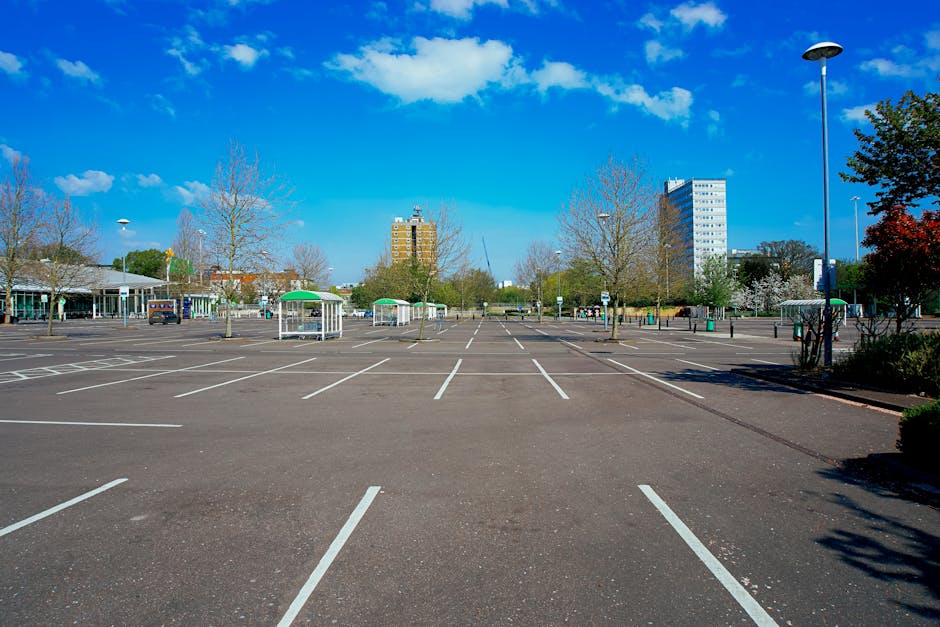
Millwall moves and Tower Hamlets Council parking permits
Posted on 10/06/2026
Millwall Moves and Tower Hamlets Council Parking Permits: A Practical Guide for a Smoother Local Move
Moving in Millwall can feel simple on paper and then suddenly become a bit of a headache the moment you look at the street outside. Tight roads, estate access, shared bays, loading restrictions, and the question of whether you need a Tower Hamlets Council parking permit can turn a straightforward home move into a slow, stressful morning. If you are planning Millwall moves and Tower Hamlets Council parking permits at the same time, the good news is this: most of the stress is avoidable if you understand the process early and plan around the reality of local access.
This guide breaks it all down in plain English. You will learn why the permit side matters, how it usually fits into a move, what to check before moving day, and which mistakes cause delays most often. It also links the parking problem to the practical side of moving itself, from packing to lifting to last-mile access. Truth be told, that is where most moves either run smoothly or wobble a little.
If you are organising a flat move, a house move, a student move, or an office relocation, the aim here is the same: help you make better decisions, faster, with fewer surprises.

Why Millwall moves and Tower Hamlets Council parking permits Matters
Parking is not just a background detail on moving day. In Millwall, it can shape the whole rhythm of the move. If the van cannot stop close enough to the property, everything takes longer: loading, carrying, protecting items, even the number of trips between door and vehicle. That extra distance matters more than people expect, especially when you are moving sofas, wardrobes, beds, or boxes that are heavy but awkward rather than just heavy.
A parking permit or a temporary suspension arrangement, where available and appropriate, can help you secure the space you actually need. That means fewer blocked doorways, less double-parking, and less of that awkward shuffle where one person stands in the road waiting while another tries to squeeze a trolley through a narrow gap. Not ideal. Not at all.
There is also a trust and planning angle here. A move that is organised around access usually feels calmer because each step has a purpose. You know where the vehicle will stop, how long the loading window is, which items come out first, and who is dealing with stairs or lifts. It sounds basic, but basic is often what saves the day.
For local movers, this topic sits right alongside other practical moving prep such as the essential packing checklist for a seamless move and stress-free house move planning. The permit is part of the system, not an afterthought.
How Millwall moves and Tower Hamlets Council parking permits Works
At a simple level, the process is about making sure the moving vehicle can lawfully and safely stop close to your property. In many London neighbourhoods, that may involve a resident bay, a pay-and-display bay, a loading bay, or another controlled parking arrangement. Depending on the street and timing, you may need permission, a permit, or a temporary arrangement to avoid a penalty or a blocked move.
Millwall has plenty of locations where access is tight enough that assumptions are risky. A van that seems fine on a map can become a problem in real life if the road is busy, if the bay is full, or if there is no space to unload without causing friction for neighbours or other road users. That is why local moving planning and parking planning should happen together.
In practice, there are usually three moving parts:
- The property access - stairs, lifts, doors, shared entrances, and how far the front door is from the road.
- The vehicle position - where the van can safely and legally wait while you load or unload.
- The moving schedule - the time of day, traffic, parking pressure, and how long you will need the space.
It is also worth separating what you know from what you assume. A permit may be required for residents, but moving vehicles often sit in a slightly different category depending on the exact bay or restriction. The key is not to guess. Check the arrangement for your street and plan the move accordingly.
If you are using a professional team, this is where service choice matters. Some moves are best handled with a man with a van in Millwall, while larger or more layered jobs may suit house removals in Millwall or even office removals in Millwall if business equipment is involved.
Key Benefits and Practical Advantages
Getting the parking side right gives you more than just legal peace of mind. It changes the whole pace of the day.
Here are the main advantages:
- Less wasted time because the van is positioned closer to the property.
- Lower physical strain since you carry items fewer metres and fewer times.
- Better protection for furniture because the load is handled more efficiently and with less rushing.
- Fewer access disputes with neighbours, visitors, or passing traffic.
- A calmer schedule because you are not building a move around guesswork.
There is a practical knock-on effect too. Once access is sorted, the rest of the move becomes easier to sequence. Packing can be done in the right order. Fragile items can be loaded last or first depending on the layout. Bulky furniture can be planned around lift access or stair width. Small thing, big difference.
That is especially true in flat-heavy parts of the area, where a move may involve shared entrances, narrow corridors, or awkward corners. If that sounds familiar, the advice in our Millwall flat-moving guide is worth reading alongside this article.
Expert summary: when parking and access are planned properly, the move feels shorter even if the actual distance is the same. Less lifting, less waiting, less friction. Simple as that.
Who This Is For and When It Makes Sense
This topic is relevant to a lot more people than you might think. The permit question is not only for huge removals teams or complex commercial moves.
You are likely to need this guidance if you are:
- moving out of or into a flat in Millwall or a nearby controlled parking street
- using a van for a same-day move and need reliable loading access
- moving furniture, white goods, or bulky items that cannot be carried far
- organising a student move with multiple bags, boxes, and tight timings
- relocating an office where timing and access windows matter
- trying to avoid parking fines, delays, or neighbour complaints on moving day
It also makes sense if you are not entirely sure whether your street has restrictions. A lot of people only discover the issue when the van has arrived and the parking plan is already, well, slightly on fire. That is the moment nobody wants.
If you are a student, a smaller move may still need careful planning because trips back and forth can take longer than expected. In that case, student removals in Millwall can be a better fit than trying to improvise everything on the day.
This is also relevant if you are choosing between a full-service move and a lighter service such as man and van in Millwall or a dedicated removal van in Millwall. The parking plan can tip the decision one way or the other.
Step-by-Step Guidance
Here is a practical way to handle Millwall moves and Tower Hamlets Council parking permits without turning the day into a scramble.
- Check your moving date early. Weekends, school runs, and busy weekday periods can make loading harder. Even a good parking arrangement gets less useful if the street is jammed.
- Map the property access. Measure stairs, note lift size, check whether the front door opens onto a narrow hallway, and look at where the van could stop legally.
- Review the parking restrictions for the street. Do not rely on memory or what a neighbour said last year. Streets change, signage changes, and that tiny detail matters.
- Decide whether you need a permit, suspension, or alternative arrangement. The right option depends on the road and the type of bay. If the rules are unclear, leave time to confirm them before moving day.
- Tell your mover the access details. If you are booking a team, be specific about floor level, lift availability, parking distance, and any time restrictions.
- Pack with the loading order in mind. Put heavy, awkward, or frequently needed items where they are easiest to reach. Use a strong packing checklist so nothing important is left to the last minute.
- Prepare a fallback plan. If the nearest bay is unavailable, know where the next viable stop is. One little backup plan can save the whole morning.
For larger homes, the practical order matters even more. You may find it useful to pair this with decluttering before the move so you are not paying to shift things you no longer need.
If you have a tight deadline, a team that offers same-day removals in Millwall can help, but only if the access and parking plan are sorted quickly. Speed is useful. Speed with structure is better.
Expert Tips for Better Results
Moving day rewards the people who think two steps ahead. Nothing dramatic. Just a few calm, boring decisions made early. That usually wins.
Helpful expert habits:
- Build the move around the narrowest point rather than the easiest one. If the hallway is tight, plan around that, not the spacious living room.
- Keep the heaviest furniture closest to the exit in your internal staging plan. It reduces backtracking and avoids bottlenecks.
- Use the right lifting approach for each item. Some pieces are better handled in pairs, some need a trolley, and some are safer with proper moving equipment. A useful companion read is kinetic lifting explained.
- Think about weather as well as parking. Rain on a London morning can make cardboard soften, floors slippery, and lifting a bit more awkward. It happens. Often.
- Protect delicate furniture before it leaves the building. If you are storing items between addresses, see how to prevent sofa wear during storage and storage in Millwall for longer gaps.
One small but underrated tip: keep the kettle accessible at the new place. It sounds trivial, but a cup of tea at 3 p.m. can reset the mood better than a long speech about logistics. British moving tradition, really.
If you are moving anything unusually awkward, such as a piano or a heavy frame, do not leave that as a last-minute debate. The risks of DIY handling are covered in this guide to DIY piano moving risks and, for larger or fragile pieces, furniture removals in Millwall is often the safer route.

Common Mistakes to Avoid
Most moving problems are not mysterious. They are predictable, which is annoying but useful, because predictable problems can be avoided.
- Leaving parking until the last minute. This is the big one. Once the van is booked, the parking plan should already be in motion.
- Assuming a permit covers every bay. It may not. Restrictions can vary by time, street, or bay type.
- Underestimating loading distance. Ten extra metres does not sound like much until you are carrying a double mattress in drizzle.
- Not telling movers about stairs, lifts, or narrow hallways. They can handle awkward access far better when they know about it in advance.
- Packing in the wrong order. If essentials are buried, the move feels chaotic even if everything else is going well.
- Trying to save time by doing unsafe lifting. That usually backfires. Back strain, smashed corners, scratched walls, and a bad mood. Not a bargain.
There is also a subtle mistake people make: treating the parking permit as a stand-alone admin task. It is not. It affects route choice, timing, loading plan, furniture wrapping, and even whether you need extra help. Once you see it that way, planning becomes much easier.
For a smooth clear-out before moving day, the moving-out and cleaning checklist can help you avoid the usual end-of-tenancy rush.
Tools, Resources and Recommendations
You do not need a pile of fancy kit, but a few good tools make local moves far easier.
| Tool or Resource | Why It Helps | Best Use Case |
|---|---|---|
| Moving checklist | Keeps the packing and access plan organised | Any home or office move |
| Measuring tape | Checks furniture, doors, lifts, and stair gaps | Flats, maisonettes, and tight stairwells |
| Furniture blankets and wrap | Protects edges, upholstery, and polished surfaces | Sofas, tables, wardrobes, beds |
| Trolley or sack truck | Reduces lifting strain and speeds up loading | Boxes, appliances, heavy compact items |
| Moving boxes and labels | Makes unloading and unpacking much easier | Everything, frankly |
| Professional removals support | Brings experience, timing, and safer handling | When access is tight or furniture is large |
For many people, the best recommendation is not one single product but a simple combination: plan parking, pack carefully, and choose the right moving support for the scale of the job. If you are comparing options, the broader services overview and removal services in Millwall pages are useful starting points.
And if you want a clearer sense of cost before you commit, it is worth looking at pricing and quotes. No one enjoys financial guesswork. Least of all on moving day.
Law, Compliance, Standards, or Best Practice
Parking around a move is not just about convenience. It sits inside a wider framework of local traffic rules, loading restrictions, and safe working practices. While the exact permit or parking process can vary depending on the street and the council rules in force at the time, the general best practice is consistent: do not block access, do not guess about restrictions, and do not assume that a moving van can stop anywhere for any length of time.
For local moves, good practice usually means:
- checking parking restrictions before the move date
- allowing enough time for loading and unloading
- keeping pathways safe and unobstructed
- using proper lifting methods and equipment
- protecting both property and public space during the move
There is also a basic duty of care element. If you are moving large items through shared spaces, you should take reasonable steps to avoid damage to doors, walls, flooring, or communal areas. That means moving blankets, careful carrying, and sensible team coordination. Nothing fancy, just sound practice.
On the operational side, reputable movers should also be able to explain how they manage risk, insurance, and safety. If you want more background on that side of the process, see insurance and safety and health and safety policy. Those pages help set expectations before you hand over your belongings.
If recycling and responsible disposal matter to you, especially during a bigger move, recycling and sustainability is also worth a look. It is a small detail, but it often matters to people more than they expect.
Options, Methods, or Comparison Table
There is more than one way to handle a move in Millwall. The best option depends on the size of the job, the amount of furniture, and how complicated the parking situation is.
| Method | Best For | Pros | Trade-offs |
|---|---|---|---|
| DIY move with hired van | Small moves, flexible schedules, low furniture volume | Lower cost control, complete flexibility | You manage parking, loading, lifting, and timing yourself |
| Man and van service | Smaller homes, student moves, short-notice jobs | Practical, adaptable, lighter than a full removals setup | May not suit heavy or complex moves on its own |
| Full house removals | Family homes, multi-room moves, higher furniture volume | More structured, better for larger loads and access issues | Requires more planning, usually at a higher overall service level |
| Same-day removals | Urgent moves, short notice, unexpected changes | Fast response, simple decision-making | Parking and access must be clear quickly |
| Storage-assisted move | Delayed completion dates, renovations, staggered handovers | Reduces pressure if move-in and move-out dates do not match | Needs extra planning for collection and re-delivery |
For many Millwall properties, the best option sits somewhere between a van-only approach and a full service. If the parking is tight and the furniture is awkward, a more complete removals setup often saves time in the end. People sometimes try to keep things simple and accidentally make them more complicated. It happens.
Case Study or Real-World Example
Imagine a one-bedroom flat move in Millwall with a sofa, bed frame, mattress, desk, four boxes of books, and a few kitchen items. On paper, that sounds manageable. But if the van has to stop around the corner because the nearest space is not workable, the move quickly becomes slower and more tiring. Every item gets carried further. The sofa becomes a two-person job for longer than it should. The boxes stack up by the stairwell. The whole day stretches out.
Now imagine the same move with parking thought through beforehand. The van is positioned more sensibly. The loading route is clear. Fragile items are packed first. The bed and mattress are disassembled and wrapped in advance, which helps because awkward furniture is always more awkward in a corridor than it looks in the bedroom. You can see the difference immediately.
That is why local access planning belongs in the same conversation as moving prep. If you are handling a bed, you might find this guide to moving beds and mattresses especially useful. And for larger clear-outs, same-day removal support in Millwall can be a practical safety net.
In real life, the move rarely fails because of one huge problem. It is usually a handful of smaller ones lining up at the same time. Parking, timing, stairs, weather, and one box that should have been labelled better. Funny how that works.
Practical Checklist
Use this as a straightforward pre-move checklist for Millwall.
- Confirm your moving date and time window
- Check the parking restrictions for both old and new addresses
- Decide whether you need a permit or another parking arrangement
- Measure large furniture and doorways
- Tell your mover about stairs, lifts, and loading distance
- Book the correct vehicle size for the job
- Wrap delicate and upholstered items properly
- Label boxes by room and priority
- Prepare essentials for the first night
- Keep entryways clear for loading
- Have a backup parking option in mind
- Review your mover's safety and insurance information
If you are juggling a big family move, this is where flat removals in Millwall or house removals in Millwall can make the whole thing feel much less chaotic. And if you are still at the sorting stage, the packing and boxes support page may save you a last-minute dash for supplies.
Conclusion
Millwall moves and Tower Hamlets Council parking permits are really about one thing: making access work in the real world, not just on a planning sheet. Once you understand the parking side, the move becomes easier to control. Once you plan the loading side, the day feels less rushed. Put them together and you get fewer surprises, less lifting strain, and a much better chance of finishing the job without drama.
The most important thing is to start early, ask the right questions, and keep your moving plan grounded in the actual street outside your door. That is where the real work happens. Not in theory, but by the kerb, in the drizzle, with a trolley wheel slightly squeaking and someone saying, "Right, we've got this."
Get a free quote today and see how much you can save.
For a move that feels steadier from start to finish, use the checklist, confirm your parking plan, and give yourself a little more time than you think you need. You will be glad you did.